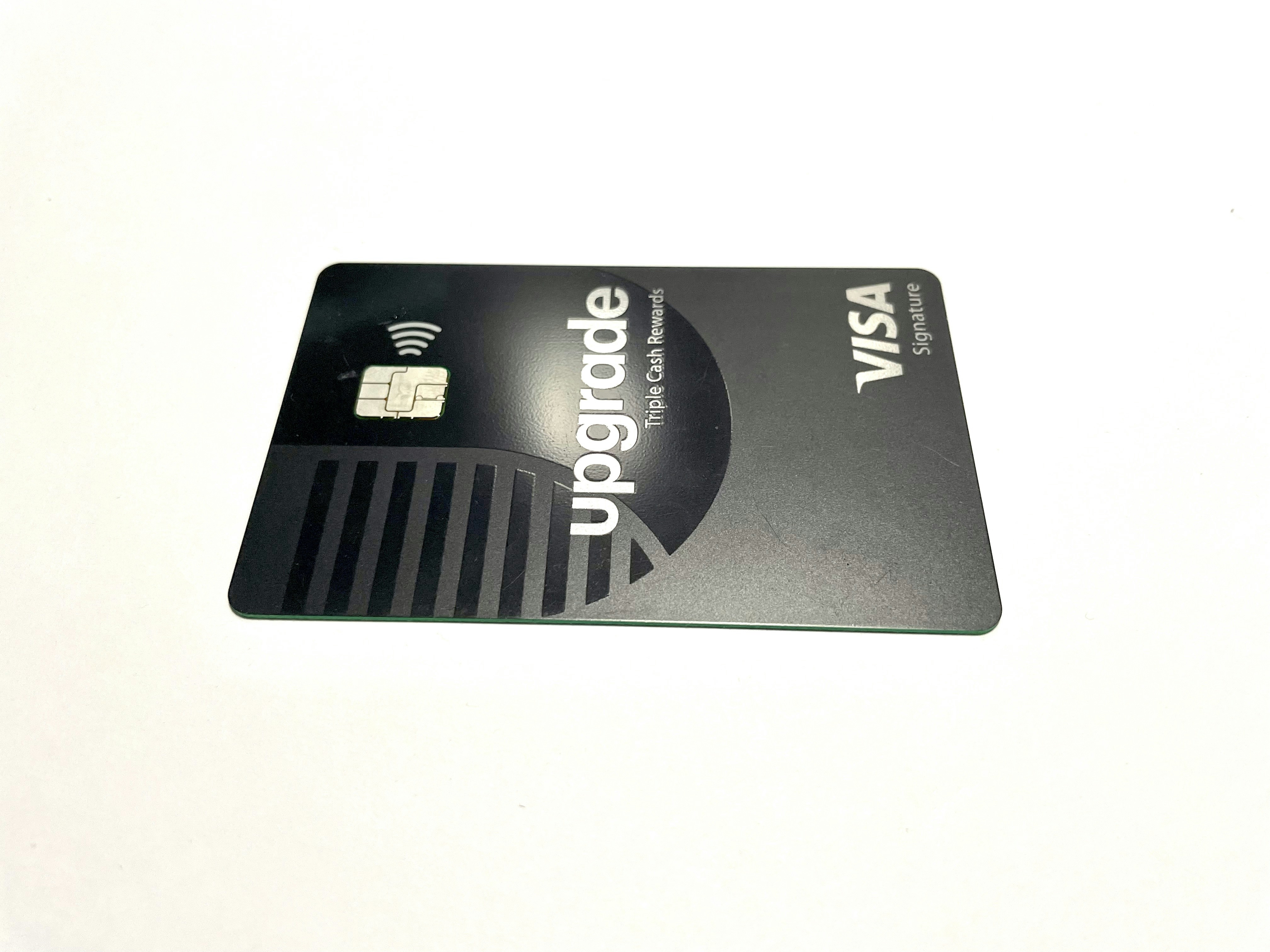
Understanding Credit Cards: A Quick Overview
Credit cards are financial tools that allow consumers to borrow funds from a pre-approved limit to make purchases. They work by enabling users to pay for goods and services upfront while obligating them to pay back the borrowed amount within a specified time frame, often with interest. By using credit cards responsibly, individuals can build their credit history, which is a crucial factor in determining their creditworthiness for future loans or credit cards.
There are several types of credit cards available in the market, each designed to suit different spending habits and financial needs. Cashback credit cards reward users with a percentage of their spending back, making them ideal for those who frequently make everyday purchases. Travel rewards cards, on the other hand, provide points or miles that can be redeemed for travel-related expenses, making them attractive to frequent travelers. Balance transfer cards allow users to transfer existing high-interest debts onto a new card with a lower interest rate, helping to manage and reduce debt effectively.
The importance of credit scores cannot be overstated when applying for credit cards. Lenders use these scores to evaluate an applicant’s creditworthiness, influencing their decision to approve or deny the card application. Generally, a higher credit score is associated with better credit card offers, including lower interest rates and higher credit limits. When choosing a credit card, it is essential to consider various factors such as the interest rates, annual fees, rewards programs, and the spending categories that best align with one’s financial lifestyle. A thorough understanding of these elements can significantly enhance the credit card selection process.
Criteria for Choosing the Best Credit Cards
When evaluating credit cards, it is crucial to consider a comprehensive set of criteria that distinguishes the optimal options from the average. This assessment includes various aspects such as annual fees, interest rates, rewards programs, additional perks, and customer service reputation.
One of the primary factors to consider is the annual fee. Many credit cards come with an annual fee that can affect the overall value of the card, especially if the rewards do not justify this cost. Several no-annual-fee cards offer attractive benefits, making them appealing to those who prefer to avoid additional expenses.
Another vital aspect is the interest rate, or APR. A lower interest rate is beneficial for cardholders who may carry a balance. It is advisable to compare different credit cards and identify those that offer reasonable rates, particularly for balance transfers or cash advances.
Moreover, rewards programs are indispensable in attracting cardholders. These programs typically include cashback, travel points, or other incentives. An effective rewards card aligns well with the consumer’s spending habits, making it essential to evaluate how rewards are earned and redeemed.
Additional perks can also enhance the appeal of a credit card. Features such as extended warranties, travel insurance, purchase protection, and concierge services add significant value and convenience to the cardholder experience.
Lastly, the customer service reputation of the credit card issuer should not be overlooked. Quality customer service can provide necessary support in managing accounts, resolving issues, or disputing charges, which is critical for a seamless user experience.
Top 5 Credit Cards of 2026
As we look forward to the financial landscape of 2026, understanding which credit cards stand out can play a crucial role in maximizing personal finance. Below is a curated list of the top five credit cards available this year, each selected for its unique offerings and benefits.
1. Chase Sapphire Preferred Card – This card is a favorite among travelers, offering 2x points on travel and dining spent. New cardholders can take advantage of a substantial bonus if they meet the initial spending requirement within the first few months. This makes it a strong choice for those who often explore new destinations.
2. Discover it Cashback – With its rotating cashback categories, this card provides cardholders with the opportunity to earn 5% cashback on select purchases each quarter. Additionally, Discover matches all cashback earned in the first year, presenting an excellent chance to maximize benefits for budget-conscious consumers.
3. Capital One QuicksilverOne Cash Rewards Credit Card – This card is ideal for those looking for simplicity. It features unlimited 1.5% cashback on every purchase, with no annual fee. This straightforward approach makes it an excellent option for those who prefer seamless transactions without the hassle of juggling categories.
4. Citi Double Cash Card – This card offers a unique structure where cardholders can earn 1% cashback on purchases when made, and an additional 1% upon payment. This two-tiered cashback system allows for significant savings over time, especially for those who tend to pay their credit card balances promptly.
5. American Express Gold Card – Perfect for food enthusiasts, this card offers robust rewards specifically for dining and grocery shopping. It provides 4x Membership Rewards points on restaurants and 3x points on flights booked directly with airlines or on amextravel.com. The extensive rewards structure caters excellently to frequent diners and travelers alike.
In addition to these benefits, it is essential for cardholders to assess their spending habits and choose a credit card that aligns with their needs. Being strategic can ensure one maximizes the benefits offered by these top-rated cards in 2026.
Tips for Making the Most of Your Credit Card
Utilizing a credit card can significantly enhance your financial flexibility, but it is crucial to approach its use with awareness and strategy. One of the most fundamental tips is ensuring timely payments. Late payments can incur hefty fees and interest rates, which can quickly escalate your outstanding balance. Setting up automatic payments or reminders can help you maintain a spotless record and preserve your credit score.
Maintaining a low credit utilization ratio is another essential practice. Credit utilization refers to how much credit you are using compared to your credit limit. Aim to keep this ratio below 30% to foster a healthy credit score. If you find you are often approaching this limit, consider requesting a credit limit increase or additional cards that you can responsibly manage, which will evenly distribute your charges.
Understanding the reward redemption process is equally important if you have a credit card that offers cashback, travel points, or other rewards. Familiarize yourself with any expiration dates and the best ways to redeem your points for maximum benefit. Some credit cards offer enhanced benefits for specific categories such as travel or dining, so adjust your spending to align with these to fully exploit the rewards program.
If you ever find yourself accumulating credit card debt, addressing it promptly is vital. Seek to create a budget that prioritizes paying down high-interest debts first. Consider contacting your credit card provider to discuss your situation; many offer hardship programs that can assist in managing payments without incurring steep penalties. Staying proactive in your financial management allows you to reap the benefits of credit cards while minimizing costs and stress.